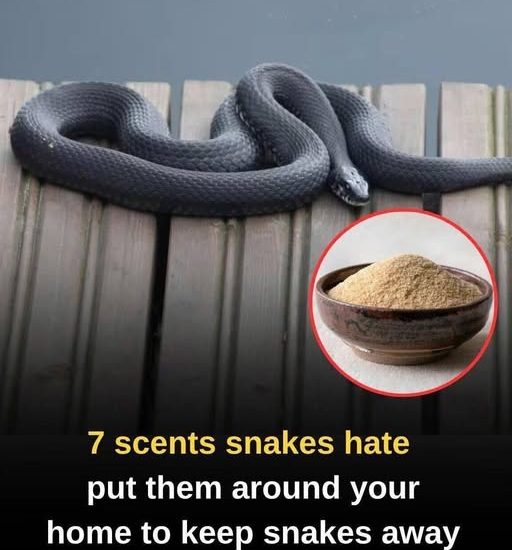
7 Scents Snakes Hate — and How to Use Them to Keep Your Home Snake-Free
Snakes may be quiet, mysterious, and helpful for controlling pests, but let’s be honest—most of us don’t want them anywhere near our homes. The good news? Snakes experience the world largely through smell, and their sensitive olfactory systems make them especially vulnerable to certain strong scents.
While no scent is a 100% magic force field, using the right smells consistently can discourage snakes from hanging around your yard, garden, or entry points. Below are seven scents snakes are known to dislike, plus practical, safe ways to use them around your home.
1. Clove Oil
Clove oil has an intense, spicy aroma that overwhelms a snake’s sensory system. Many natural snake repellents use clove oil as a primary ingredient for a reason—it’s powerful and effective.
How to use it:
- Mix 10–15 drops of clove oil with water and a bit of vinegar
- Spray along foundations, doorways, garden borders, and crawl spaces
- Reapply after rain
Bonus: Your house will smell warm and spicy—not reptile-friendly.
2. Cinnamon
Closely related to clove, cinnamon has a strong, sharp scent snakes tend to avoid. While pleasant to humans, it can be irritating and disorienting to snakes.
How to use it:
- Sprinkle cinnamon powder along cracks, patios, and garden edges
- Or use cinnamon essential oil diluted in water as a spray
This works best in dry, sheltered areas where the scent can linger.
3. Sulfur
Sulfur has a sharp, rotten-egg smell that snakes absolutely hate. It’s one of the oldest snake deterrents used by farmers and gardeners.
How to use it:
- Sprinkle powdered sulfur around yard perimeters and entry points
- Avoid indoor use—the smell is strong and unpleasant
⚠️ Use sparingly and keep away from pets and children.
4. Garlic
Garlic releases sulfur compounds that snakes find offensive. When combined with other scents, it becomes even more effective.
How to use it:
- Crush garlic cloves and soak them in water overnight
- Strain and spray the liquid around problem areas
- Reapply weekly
This method is natural, inexpensive, and surprisingly effective.
5. Onion
Like garlic, onions emit sulfuric odors that irritate snakes’ sensory receptors.
How to use it:
- Blend onion with water and strain
- Spray near foundations, sheds, and garden borders
The smell fades quickly for humans but lingers longer for snakes.
6. Vinegar
Vinegar doesn’t repel snakes through smell alone—it’s the acidity that bothers them, especially on surfaces they crawl across.
How to use it:
- Pour white vinegar along fence lines, cracks, and entry points
- Do not pour directly onto plants or soil you want to keep healthy
This is especially useful near patios and concrete walkways.
7. Ammonia
Ammonia has a sharp, chemical scent that snakes strongly dislike. It mimics the smell of predators and danger.
How to use it:
- Soak old rags in ammonia and place them in sealed containers with holes
- Position near sheds, crawl spaces, or known snake paths
⚠️ Never mix ammonia with other chemicals and keep it away from pets.
Important Things to Know
Scents work best as part of a bigger prevention plan, not alone. To make your space truly snake-unfriendly:
- Keep grass short and remove debris
- Eliminate standing water
- Seal cracks and gaps around your home
- Control rodents (a major food source for snakes)
Snakes don’t want to bother you—they’re simply looking for shelter, food, and safety. Strong, unpleasant scents signal that your home is the wrong place to settle.
Final Thought
You don’t need harsh chemicals or expensive traps to keep snakes away. With a few strategic scents and some basic yard maintenance, you can make your home far less appealing to these slippery visitors—naturally and safely.
Leave a Reply