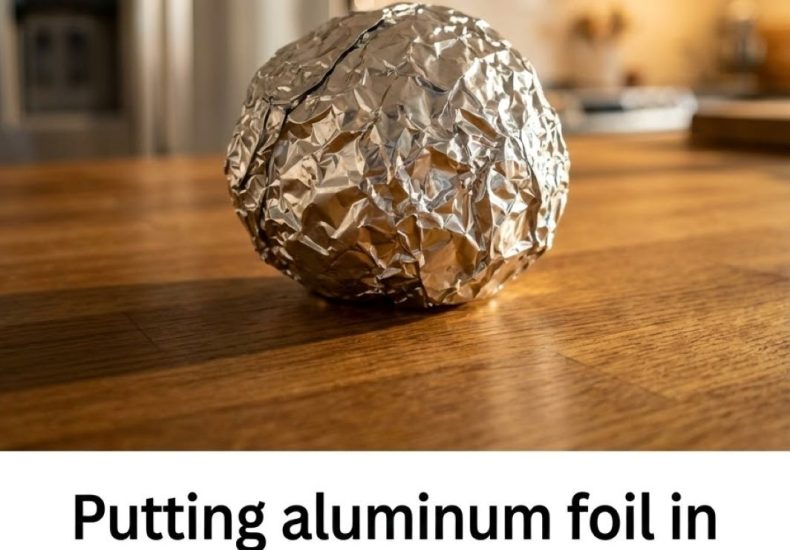
The Truth About Wrapping Food With Aluminum Foil in the Freezer
Aluminum foil feels like a freezer MVP. It’s already in the drawer, it molds perfectly around food, and it promises a tight seal with almost no effort. Many of us grew up watching parents and grandparents wrap everything in foil and slide it straight into the freezer—no questions asked.
But here’s the truth: aluminum foil is useful in the freezer… just not always in the way we think it is. Used correctly, it can protect food well. Used incorrectly, it can quietly ruin texture, flavor, and freshness.
Let’s clear up what foil actually does, when it works, and when it’s not the best choice.
What Aluminum Foil Is Good At
Aluminum foil has one major strength: it blocks light and oxygen. Those are two of the biggest enemies of frozen food, especially fats and proteins that oxidize easily.
Foil is great for:
- Wrapping large cuts of meat before placing them in another container
- Covering foods that will be frozen short-term
- Acting as an outer protective layer
It also molds tightly, which helps reduce air pockets—at least at first.
Where Aluminum Foil Falls Short
Here’s the part most people don’t realize: aluminum foil is not airtight.
Over time, air can slowly seep in through tiny gaps and folds. That air causes:
- Freezer burn
- Dry, leathery textures
- Muted flavors
Foil also tears easily, especially once frozen. One small rip you don’t notice can expose food for weeks.
And if you’re freezing acidic foods—like tomato sauce, citrus-marinated meats, or anything vinegar-heavy—foil can react chemically, leading to off-flavors and discoloration.
The Freezer Burn Problem (And Why Foil Gets Blamed)
Freezer burn isn’t about safety—it’s about quality.
It happens when moisture escapes from food and ice crystals form on the surface. Foil alone often doesn’t prevent this long-term, which is why people think freezing “ruins” food. In reality, it’s the packaging, not the freezer.
Foil can slow freezer burn, but it usually can’t stop it by itself.
The Best Way to Use Aluminum Foil in the Freezer
Foil works best as part of a system, not a solo solution.
Here’s how professionals use it:
- Wrap food tightly in plastic wrap or freezer paper first
- Add aluminum foil as a second outer layer
- Or place foil-wrapped food inside a freezer bag or airtight container
This combo blocks air, light, and moisture far more effectively than foil alone.
When You Should Skip Foil Entirely
Avoid using aluminum foil by itself for:
- Long-term freezing (over 1–2 months)
- Acidic foods
- Foods with sharp edges that can tear it
- Small portions that dry out quickly
In these cases, freezer bags, vacuum sealing, or rigid containers do a much better job.
Is Aluminum Foil Safe in the Freezer?
Yes—freezing food in aluminum foil is safe. There’s no health risk from freezing temperatures, and foil doesn’t release anything harmful in the freezer.
The issue isn’t safety. It’s quality.
Food wrapped poorly won’t make you sick—but it may make you wish you hadn’t frozen it in the first place.
The Bottom Line
Aluminum foil isn’t the freezer villain it’s sometimes made out to be—but it’s also not a magic shield.
Think of it as:
- A protective jacket, not a locked safe
- Best used with backup
- Helpful short-term, risky long-term
If you want frozen food that tastes as good as the day you made it, foil can help—but only if you use it wisely.
Your freezer will still do its job.
Your food just needs the right armor. ❄️
Leave a Reply