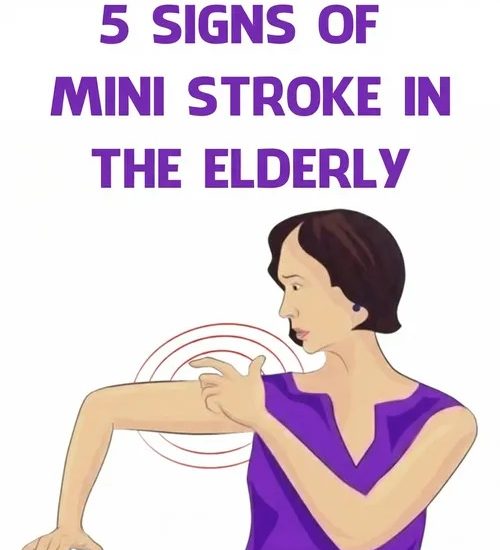
5 Warning Signs of a Mini Stroke in Older Adults You Should Never Ignore
A mini stroke—often called a TIA (Transient Ischemic Attack)—can be easy to miss.
The symptoms may appear suddenly, last only a few minutes, and then disappear just as fast. Because everything seems to “go back to normal,” many people brush it off and move on.
That’s the dangerous part.
A mini stroke is often the body’s final warning before a major stroke occurs. Recognizing the signs early—especially in elderly adults—can save a life.
Here are five of the most common warning signs you should never ignore.
1. Sudden Weakness or Numbness on One Side of the Body
One of the most classic signs of a mini stroke is sudden weakness, numbness, or tingling—usually affecting one side of the body.
This may include:
- An arm that suddenly feels heavy or hard to lift
- A leg that drags or feels unsteady
- Numbness in the face, especially around the mouth
Even if the sensation fades after a few minutes, it still matters.
Temporary symptoms do not mean temporary danger.
2. Slurred or Confused Speech
If an older adult suddenly struggles to speak clearly or can’t find the right words, it may be more than fatigue or stress.
Warning signs include:
- Slurred speech
- Speaking nonsense or mixing up words
- Trouble understanding simple sentences
A person might know what they want to say—but their brain can’t communicate it properly.
That disconnect is a red flag.
3. Sudden Vision Problems
Mini strokes can interfere with vision in subtle but serious ways.
Watch for:
- Blurred or double vision
- Loss of vision in one eye
- A dark or shadowy area in the field of vision
These changes can come and go quickly, making them easy to dismiss—but they should never be ignored.
4. Loss of Balance or Coordination
If someone suddenly becomes dizzy, unsteady, or clumsy without an obvious reason, it could signal a mini stroke.
They may:
- Stumble while walking
- Feel like the room is spinning
- Have trouble maintaining balance
In older adults, this is often mistaken for “just getting older,” but sudden coordination problems are not normal aging.
5. Sudden, Severe Headache with No Clear Cause
A sudden headache that feels different from usual—especially if it comes on fast and intensely—can be a warning sign.
This is particularly concerning if it’s accompanied by:
- Confusion
- Nausea
- Sensitivity to light
Any headache that feels unusual or alarming deserves immediate attention.
Why Mini Strokes Are So Dangerous
The symptoms of a mini stroke may disappear within minutes or hours—but the risk does not.
In fact, many people who experience a full stroke report having had warning episodes days or weeks earlier that were never checked.
A mini stroke is the body saying:
“Something is wrong. Act now.”
What to Do If You Notice These Signs
If you or someone around you experiences any of these symptoms—even briefly—seek medical help immediately.
Do not:
- Wait for symptoms to return
- Assume it was nothing
- Try to “sleep it off”
Early medical care can prevent permanent brain damage and reduce the risk of a major stroke.
The Bottom Line
Mini strokes don’t always shout.
Sometimes they whisper.
And in older adults especially, those whispers are too often ignored or misunderstood.
Knowing the signs—and acting quickly—can make the difference between recovery and tragedy.
When it comes to stroke symptoms, it’s always better to be cautious than sorry.
Leave a Reply