Those Mysterious Zippers on the Back of the Sofa: What Are They Really For?
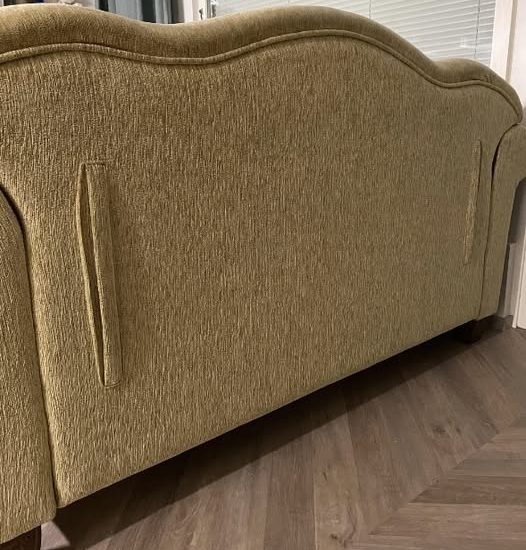
I brought the sofa home today, set it in place, stepped back to admire it—and then noticed something I couldn’t unsee.
Two vertical zipper flaps on the back. Perfectly stitched. Symmetrical. Clearly intentional.
They weren’t hiding a tear. They weren’t covering a seam. And they definitely weren’t decorative in any obvious way. The cushions don’t come off, and when I pressed around, the inside felt mostly hollow with just a thin layer of foam and fabric.
So naturally, the questions started rolling in:
Why put zippers there at all? Why make them so visible? And what on earth are they meant for?
As it turns out, those zippers aren’t a mistake—and they’re more common than most people realize.
First Things First: They’re Not for Storage
Let’s get this one out of the way, because it’s the most tempting theory.
No, the zippers are not secret pockets.
No, they’re not meant for hiding blankets, cables, or the remote.
And no, you’re not supposed to unzip them and start stuffing things inside.
Furniture manufacturers don’t design hollow sofa backs for storage. That space exists for structural reasons, not usability. If you opened them expecting a hidden compartment, you’d just find fabric, foam, and framing—not a clever bonus feature.
The Real Reason #1: Upholstery and Manufacturing Access
The most common—and least exciting—answer is also the correct one.
Those zippers are there for manufacturing and upholstery access.
During production, upholsterers need a way to:
- Pull fabric tightly and evenly
- Adjust padding
- Secure internal staples or fasteners
- Make last-minute corrections without ripping seams
Zippers allow the fabric to be installed cleanly and efficiently. Once the sofa is finished, the zipper is closed—and the piece is considered complete.
In higher-end furniture, this access is often hidden underneath or behind piping. In mid-range or mass-produced sofas, it’s sometimes left visible to reduce labor and cost.
It’s not elegant, but it’s practical.
Reason #2: Frame Repair or Reupholstery (In Theory)
While these zippers look like they invite future use, they’re not really meant for consumers—but they can be helpful for professionals.
If the sofa ever needs:
- Minor frame reinforcement
- Internal inspection
- Partial reupholstery
Those zippers give technicians access without tearing the fabric apart.
That said, most owners will never use them. They’re more of an “insurance policy” for manufacturers and repair shops than a user feature.
Reason #3: Weight Reduction and Cost Control
You noticed something important: the back feels hollow, with only a thin foam layer.
That’s intentional.
Modern sofas often:
- Use minimal padding in non-contact areas (like the back)
- Reduce internal materials to cut weight
- Lower shipping and production costs
The zipper allows manufacturers to install that thin padding efficiently while keeping the structure light. More padding = more cost. More cost = higher retail price.
Visible zippers are often a sign of cost-conscious design, not poor quality—but not luxury either.
So Why Make Them So Obvious?
This is where design meets compromise.
In an ideal world, zippers would be:
- Hidden underneath
- Concealed along seams
- Covered by fabric flaps or piping
But hiding them requires extra labor, more fabric, and more time. For many manufacturers, especially those producing affordable furniture at scale, visible zippers are simply the most efficient option.
They assume:
- The sofa will be placed against a wall
- The back won’t be a focal point
- Most buyers won’t notice—or won’t care
You noticed because you were paying attention.
Are They Ever Meant for Carrying or Attaching Something?
Short answer: No.
The zippers are not designed to:
- Support weight
- Act as handles
- Attach accessories
- Secure modular pieces
Using them that way could actually damage the upholstery or zipper track. They’re not reinforced for stress, only for access.
If the sofa had carrying straps or modular connectors, they’d look very different—and they’d be clearly labeled or reinforced with heavy stitching.
Should You Leave Them Alone?
Yes. Zip them up and forget about them.
Opening them out of curiosity won’t reveal anything interesting—and repeated use can:
- Loosen the zipper
- Stretch the fabric
- Create visible rippling or sagging over time
Think of them like a fuse box behind a panel: necessary, but not something you’re meant to interact with daily.
What They Say About the Sofa Overall
Those visible zipper flaps tell a quiet story about the piece:
- It’s efficiently manufactured
- Designed for practicality, not luxury
- Built to look good from the front and sides
- Not meant to be showcased from the back
That doesn’t make it bad furniture. It just places it firmly in the functional, modern, cost-aware category rather than the handcrafted or high-end one.
The Bottom Line
Those zippers aren’t a mystery attachment point or a secret feature. They’re a behind-the-scenes necessity—left visible for efficiency, not aesthetics.
Once you know what they’re for, they stop feeling strange. They’re just part of how furniture is made today.
And honestly? As long as the sofa is comfortable, sturdy, and looks good where it matters most, those zippers are doing exactly what they were meant to do—quietly existing, out of sight and out of mind.
Leave a Reply