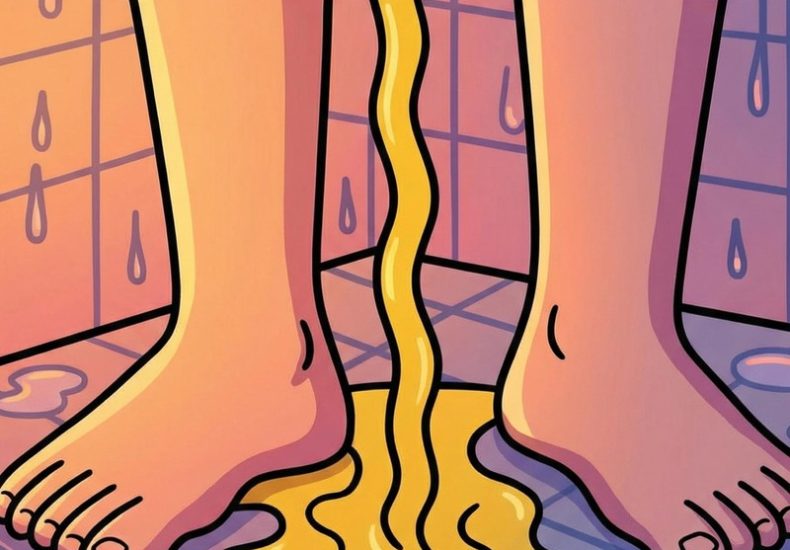
If You Pee in the Shower, This Is What Can Happen
(The Truth Doctors and Hygienists Want You to Know)
It’s a habit many people admit to quietly—and others deny loudly. Peeing in the shower is surprisingly common, but opinions about it range from “totally harmless” to “absolutely disgusting.” So what actually happens when you pee in the shower?
Doctors, urologists, and hygiene experts have weighed in, and the truth is more nuanced than you might expect.
🚿 1. It’s Usually Not Dangerous (But It’s Not Risk-Free Either)
From a medical standpoint, urine from a healthy person is mostly sterile when it leaves the body. That means peeing in the shower is unlikely to cause harm in most cases, especially in your own home.
However, “mostly sterile” does not mean completely clean—especially once urine contacts warm, moist surfaces.
🦠 2. Bacteria Can Still Spread
Bathrooms are ideal environments for bacteria to grow: warm, damp, and enclosed.
What can happen:
- Urine residue can cling to shower floors, drains, and grout
- Bacteria may multiply if surfaces aren’t cleaned regularly
- Shared showers (gyms, dorms, hotels) increase hygiene risks
This is why experts strongly advise never peeing in public or shared showers.
🧠 3. It May Train Your Brain in an Unhealthy Way
Urologists warn about a lesser-known effect: conditioning your bladder.
If you frequently pee in the shower:
- Your brain may start associating running water with urination
- You might feel the urge to pee whenever you hear water
- This can contribute to urgency or bladder control issues over time
This effect is similar to Pavlovian conditioning—and it’s more common than people realize.
🩺 4. It Can Be Risky for Women in Certain Positions
Medical experts point out that standing to urinate (which is typical in the shower) may prevent complete bladder emptying for some women.
Possible consequences:
- Increased risk of urinary tract infections (UTIs)
- Pelvic floor strain in people with weak pelvic muscles
This doesn’t happen to everyone, but doctors urge caution for those with a history of UTIs or pelvic floor issues.
🧼 5. It Does NOT “Clean the Shower”
A common myth claims urine helps clean the shower due to ammonia content. Experts say this is false.
In reality:
- Urine is diluted ammonia at best
- It does not disinfect surfaces
- It can actually contribute to odors over time
Proper cleaning products—not bodily fluids—are what keep showers sanitary.
🌱 6. Environmental Impact: A Small Benefit
Some environmental experts note that peeing in the shower may:
- Save a small amount of water by reducing toilet flushes
However, the water saved is minimal, and this benefit disappears if the shower is running longer than necessary.
⚠️ When You Should Definitely Avoid It
Doctors strongly advise against peeing in the shower if:
- You use shared or public showers
- You have a UTI or bladder infection
- You have open cuts or wounds on your feet
- You struggle with bladder control or pelvic floor issues
✅ The Bottom Line
Peeing in the shower usually won’t harm a healthy adult in a private bathroom, but it’s not as harmless as many people believe.
What can happen:
- Minor hygiene issues
- Bladder conditioning over time
- Increased risks in shared spaces
Doctors agree: if it’s an occasional habit at home and you clean your shower regularly, it’s unlikely to cause problems—but it shouldn’t become routine.
Final Expert Advice
Your toilet is designed for a reason. Using it helps protect hygiene, bladder health, and shared spaces—especially if you live with others.
Leave a Reply