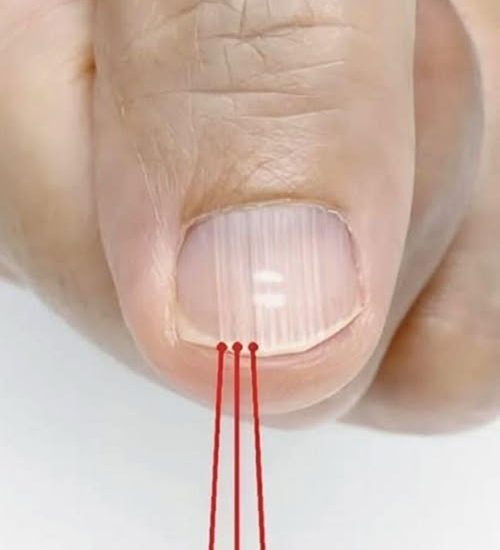
If You Have These Lines on Your Nails After 40, It Is a Clear Sign That…
Vertical Nail Ridges: Normal Changes and Nail Health
If You Have These Lines on Your Nails After 40, It Is a Clear Sign That…
As we age, our bodies go through many subtle changes—some we expect, and some that catch us off guard. One of the most common yet least understood changes is the appearance of vertical ridges on the fingernails. These lines, running from the cuticle to the tip, can appear suddenly after the age of 40 and often raise questions about health and wellness.
So what do these ridges actually mean? Are they harmless signs of aging, or indicators of a deeper issue?
Let’s break it down.
What Exactly Are Vertical Nail Ridges?
Vertical nail ridges—also known as longitudinal striations—are raised lines that run in the same direction your nails grow. Almost everyone develops them to some degree as they get older.
The nail plate is made of keratin, and like our skin and hair, it can reflect internal changes. Ridges form when nail-producing cells begin to grow a little unevenly.
In most cases, this is completely normal.
Why They Become More Noticeable After 40
If you start seeing these ridges in your 40s and beyond, it is usually a clear sign that your nails are undergoing age-related changes. As we age:
- Nail growth slows
- Natural oil and moisture levels decrease
- Keratin layers become less uniform
- Circulation to the fingertips may decline slightly
All of this contributes to texture changes—similar to how fine lines appear on aging skin.
Think of vertical ridges as the nail’s version of wrinkles.
When Vertical Ridges Are Harmless
For most people, ridges are:
✔ A normal sign of aging
✔ Not painful
✔ Symmetrical on most fingers
✔ Unrelated to serious disease
If the nail is otherwise healthy—no discoloration, crumbling, or sudden changes—the ridges are simply a cosmetic concern.
When They May Indicate a Nutritional Issue
While aging is the most common cause, sometimes vertical ridges point to nutrient deficiencies, especially if they appear suddenly or become more pronounced.
Possible deficiencies include:
- Iron
- Zinc
- Magnesium
- Vitamin B12
- Protein
If your nails feel brittle or peel easily along with the ridges, a deficiency may be involved.
When Ridges Are a Sign to See a Doctor
Most vertical ridges are harmless—but certain changes should never be ignored. Consult a doctor or dermatologist if you notice:
🚩 Deep, sharp ridges forming suddenly
🚩 Discoloration (brown, black, or yellow streaks)
🚩 Pain or swelling around the nail
🚩 Ridges on only one nail (could indicate trauma or infection)
🚩 Horizontal ridges (these are NOT age-related)
A single dark vertical streak, for example, may require immediate medical evaluation to rule out melanoma of the nail bed.
How to Improve the Appearance of Nail Ridges
Even if they’re harmless, many people wish to smooth the texture of their nails. Here’s what helps:
1. Moisturize Daily
Ridges appear more prominent when nails are dry. Use cuticle oils containing:
- Vitamin E
- Jojoba oil
- Almond oil
2. Keep Nails Trimmed and Protected
Shorter nails experience less trauma and are less likely to split along the ridges.
3. Avoid Over-Buffing
Buffing can smooth ridges temporarily, but too much weakens the nail.
4. Improve Nutrition
Adding biotin, protein, leafy greens, and mineral-rich foods can promote healthier nail growth.
5. Stay Hydrated
Even mild dehydration can exaggerate nail texture.
The Bottom Line: What These Lines Really Mean After 40
If you’re noticing vertical ridges on your nails after age 40, it is a clear sign that your body is undergoing normal, age-related changes. In most cases, they are nothing to worry about.
But your nails also act as tiny health messengers—so pay attention to sudden changes, discoloration, or other symptoms. Taking care of your hydration, nutrition, and nail health can keep them strong and improve their appearance.
Aging may be inevitable, but understanding your body’s signals makes the journey smoother—and healthier.
Leave a Reply